

Maintaining indoor air quality (IAQ) within hospitals and healthcare facilities is of paramount importance. It serves to ensure the proper functioning of these institutions while safeguarding patients, healthcare professionals, and visitors against airborne diseases and infections. Additionally, it contributes to creating a comfortable, healthful, and odor-free workspace.
Indoor air quality, or IAQ, encompasses factors such as the presence of aerosols, gases, temperature, and humidity levels within a building. The quality of the air in residential spaces directly impacts the well-being and contentment of its occupants. Poor IAQ ranks among the top five environmental risks to public health.
In the context of hospitals, where there is a constant influx of potentially infectious individuals and their families, it becomes imperative to mitigate risks by eliminating airborne contaminants both inside and outside the facility’s premises. These contaminants not only pose a threat to patients and healthcare staff but can also cause damage to HVAC systems, control rooms, electronic equipment, diagnostic machinery, x-ray devices, and office apparatus due to corrosive gases.
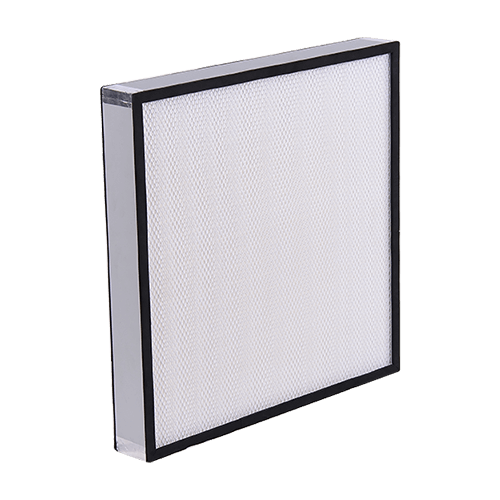
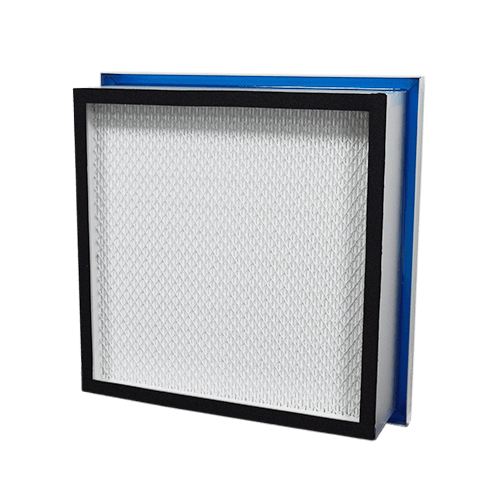
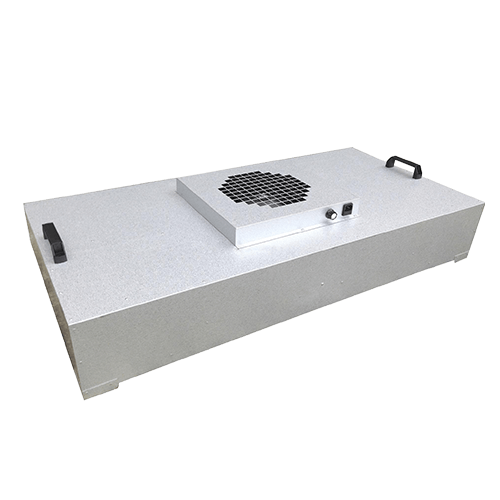
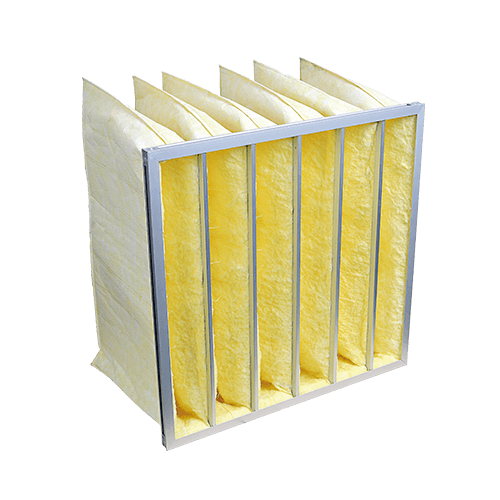
To optimize IAQ and improve the overall environment, it is essential to assess the current state of your filters, taking note of their ratings. Consider replacing them with filters of similar or higher ratings. Over time, consulting with a knowledgeable and reputable filter manufacturer can help determine if adopting higher-performance filters can enhance IAQ and reduce energy costs. Often, the replacement of cost-effective filters with ones that offer lower pressure drop and greater dust holding capacity can actually lead to a reduction in the overall expenditure associated with maintaining clean air.



Canwin provides bespoke engineering and consulting solutions, contributing to economic and operational development that leads to progress and well-being for our clients, stakeholders, employees, contractors, associates, and Pakistan’s large-scale manufacturing sector.
We have extensive experience as strategic allies of the biggest players in the automobile and industrial manufacturing sector, providing high-quality engineering and facility consulting services to all business areas.
Our founders, strategic partners, and employees, give us a broad base of knowledge and solid support for the execution of various engineering and consulting projects.
Copyright 2026, Canwin Associates. All rights reserved.